No one can give you the right number for a plumbing job over the phone without asking questions first. If someone does, they are guessing. You can't control the rate, but you can control how the price is built and what you agree to before work starts. This guide covers both for a house in Sydenham.
A price is built from four parts
Almost every plumbing price is made up of the same pieces. Ask to see each one as its own line on paper.
- The visit. Many plumbers charge a set amount just to show up, often called a call-out or minimum charge. It usually covers travel and the first block of time on site. Before you book, ask what it covers and whether it counts toward the job.
- Labour. This is charged either by the hour or as a flat price for the whole job. Rates vary across Ontario with distance, time of day and the type of work, so comparing hourly rates alone tells you little.
- Parts and materials. The fittings, pipe, valves or appliance being installed. Ask whether the price names the part or just says "materials".
- Extras. Permit fees, getting rid of an old water heater, digging, and evening or weekend rates. These are the lines that surprise people. Ask about each one by name.
Hourly or flat price: know which one you are getting
With a flat price, the plumber carries the risk if the job runs long. With an hourly price, you carry it. Either is fair as long as you know which one you agreed to and what happens if the job grows.
Before anyone starts, ask: "If you find something else, will you stop and tell me before carrying on?" The answer should be yes, followed by a new written number for you to approve.
Why the same job costs differently from house to house
A tap replacement or a leak repair isn't the same job in every Sydenham house. What's behind the wall changes the price, and a good quote says why.
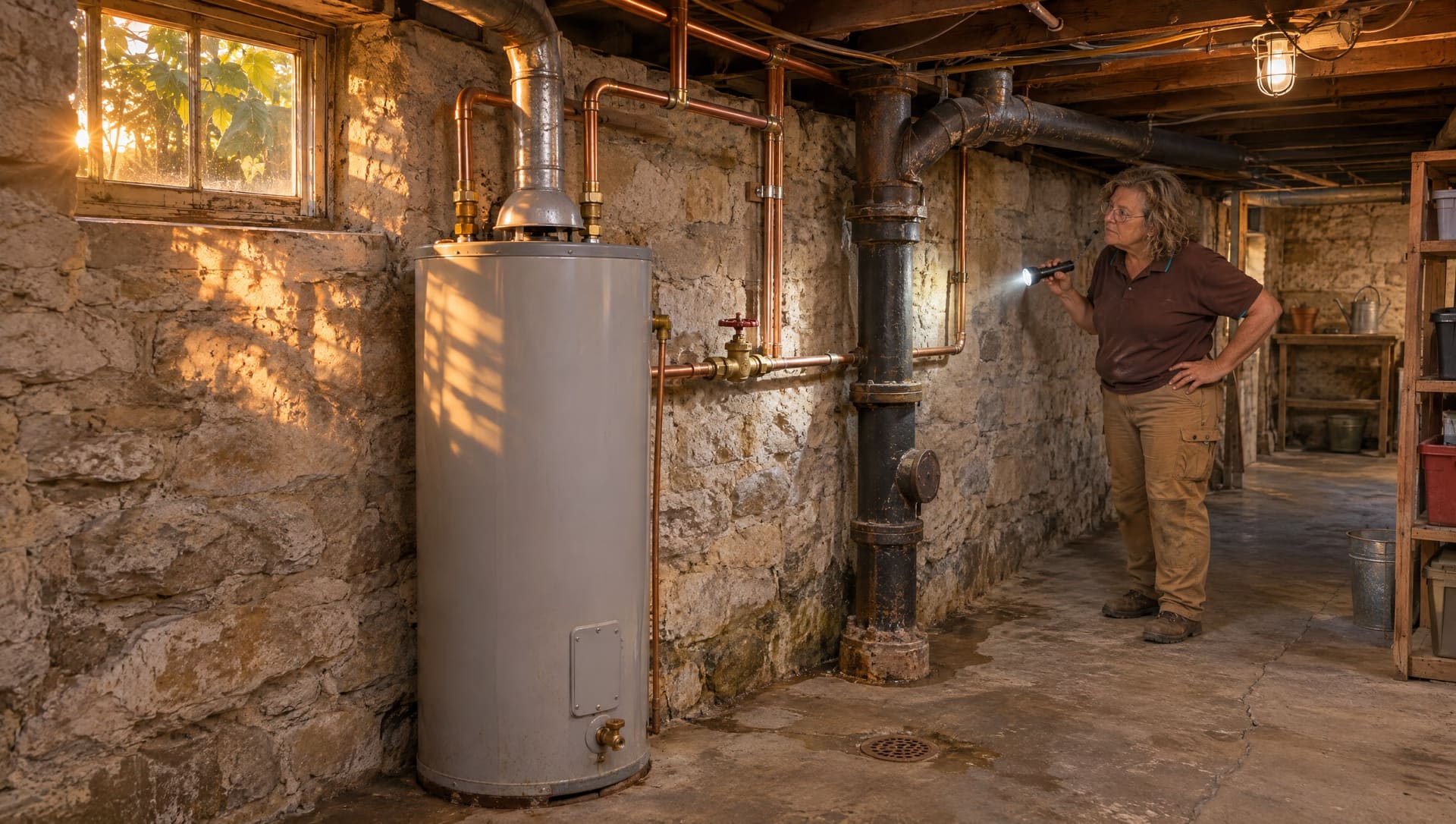
- Houses on George Street and Mill Street, built from the 1860s to about 1900, often still have galvanized steel water lines that rust shut from the inside. A repair can reach pipe that won't take a new fitting. Expect two numbers: patch the section, or replace the run back to sound pipe.
- Houses built from 1961 to 1980 usually have copper lines that get pinhole leaks with age, plus original shut-offs that seize. If the valve under the sink won't turn, it has to be replaced before the tap can be. That is a fair extra, but you should hear about it before it's done.
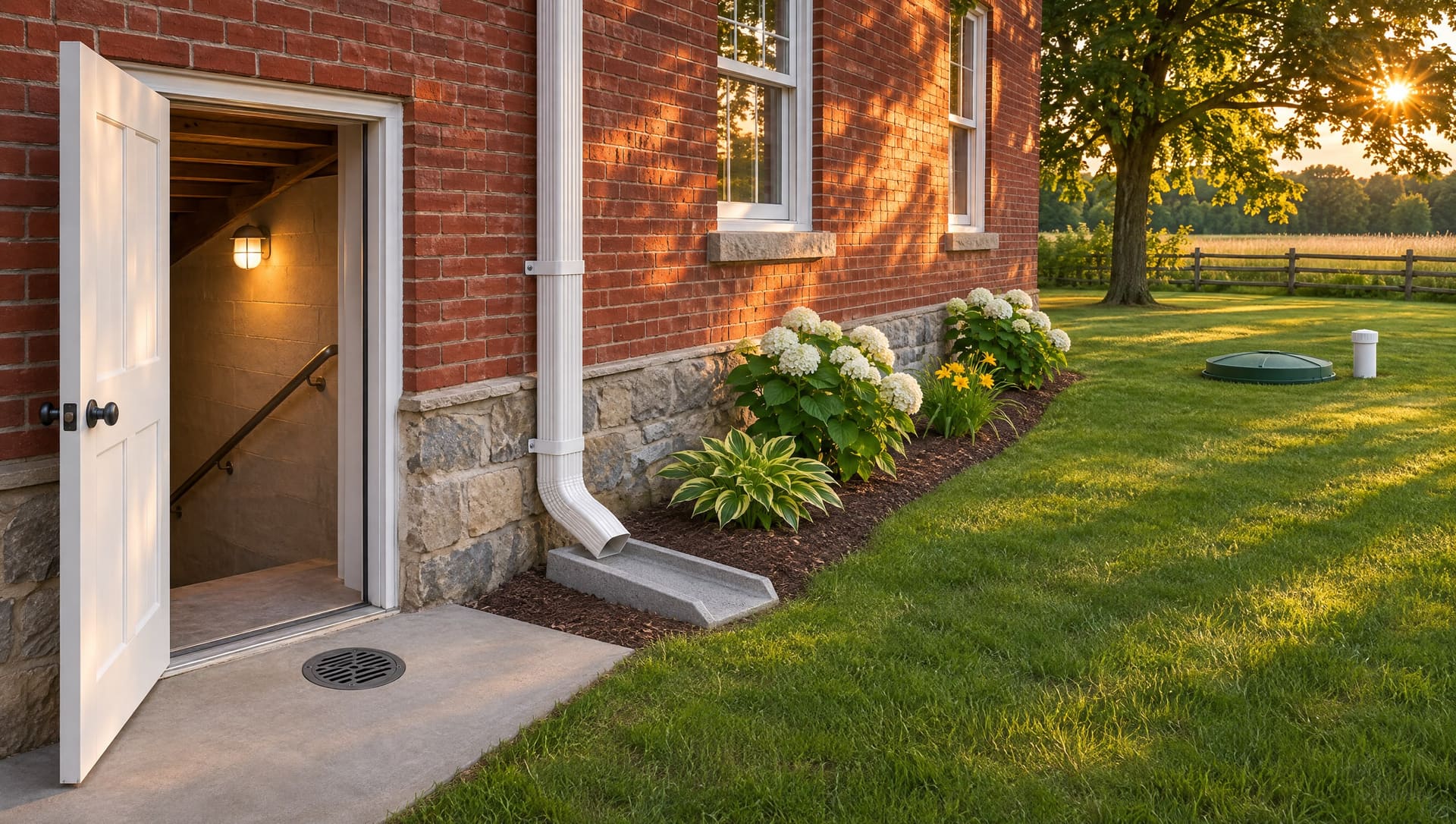
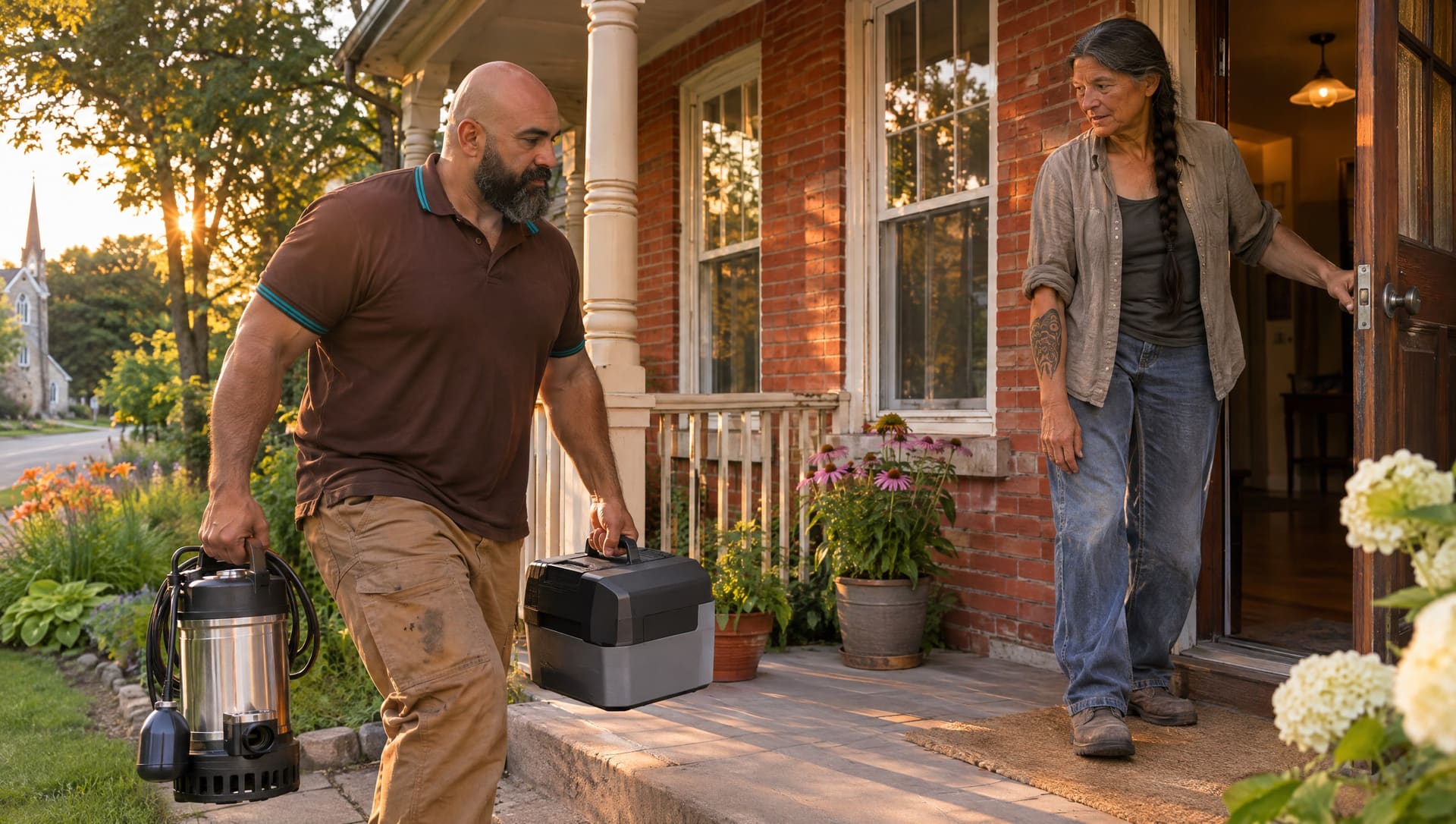
- Newer houses, such as the lots on Rutledge Road, usually have plastic water lines and a sump pump. Problems tend to be the pump or a fixture rather than the pipe, so the price is usually easier to pin down.
Two things apply to the whole village.
- Every drain runs to the house's own septic system. Sydenham has no municipal sewer. A slow drain can be a blocked pipe or a full tank, and clearing the pipe won't fix a full tank. If you're asked to pay for the same line to be cleared again, ask whether anyone checked the tank first. The difference is explained in what drains where in a Sydenham house.
- Village water comes from Sydenham Lake, and in winter it has come in at the treatment plant as cold as 1 degree. A water heater sized from the old label may not keep up in January. A quote for a bigger unit may be justified, so ask the plumber to explain the sizing. For a gas water heater, the gas side must be installed by a registered contractor under Ontario Regulation 212/01. At Sydenham Plumbing and Drain, gas work is performed by TSSA-certified gas technicians.
What you should not be paying a plumber for
Some problems aren't a plumber's job. Check these before you book.
- Low pressure or odd-tasting water on village water. The township sends residents to Utilities Kingston for problems with pressure, quality or supply on Sydenham's municipal water. If your neighbours have the same problem, call the utility first. In Harrowsmith, Inverary, Perth Road and Battersea, houses are on private wells, so the water system is yours and a plumber is the right call.
- Septic and plumbing inspections. The County of Frontenac sends questions about these to the township. Ask there before you pay anyone to "inspect" your system.
- Locates. Before any digging in Ontario, a locate must be requested through Ontario Dig Authority. The request costs you nothing. It does not cover private lines, though, and your house's line out to the septic tank is private. A quote that includes digging should say how the plumber will find that line, usually with a camera and a locator, and that time is a fair charge.
Permits belong in the price
In Ontario, plumbing is designed and installed under Part 7 of the Building Code, Ontario Regulation 163/24. New plumbing and changes to drains generally need a building permit, and the township building department says whether a particular job does.
Ask who applies for the permit and whether the fee is in the price. Be wary of a plumber who says a drain change "doesn't need one" without checking. Skipping a permit can leave you paying twice when you sell the house or file an insurance claim.
Signs of a plumber to walk away from
- Won't put the price in writing before starting.
- Wants full payment up front, or cash only with no invoice. A deposit on a special-order part is normal. Paying for the whole job before it's done is not.
- Pushes you to decide at the door with a "today only" price.
- Recommends replacing a whole system without showing you why: the rusted section, the cracked pipe, the camera footage.
- Can't show a Certificate of Qualification. Plumbing is a compulsory trade in Ontario. The person doing it must hold a Certificate of Qualification, a Provisional Certificate of Qualification or a Registered Training Agreement as an apprentice, and must appear on the Skilled Trades Ontario Public Register. You can look the name up yourself.
- Hands you an invoice that says "plumbing work" and a total, with no parts or hours listed.
- Changes the price after the work is done without having talked to you first.
At Sydenham Plumbing and Drain, work is performed by licensed plumbers (306A Certificate of Qualification), and we expect you to ask to see it.
How to protect yourself on the day
1. Be specific when you call: which fixture, since when, what you have already shut off. The more exact you are, the closer the first number will be.
2. Read the written price before signing it. Check that it names the work, the parts and every extra you discussed.
3. If the job grows, the plumber stops, shows you what changed and writes a new number. You approve it before work goes on.
4. Ask to keep the old parts if you want to see what failed.
5. Check the final invoice line by line against the price you approved. Ask about anything that wasn't on it.
6. Ask how long the plumber stands behind the labour, and get it in writing. For a new water heater or sump pump, keep the manufacturer's warranty papers and register the unit if the manufacturer asks you to.
None of this takes long, and it means the price you approved is the price you pay. For a leak, a seized valve or old pipe, see plumbing repairs and ask for a written price before any work starts.